How to Plan a Group Trip in 2026, 12-Step Playbook
The complete guide on how to plan a group trip: lock the squad, set a budget, build a shared itinerary, and split costs fairly.
A group trip is the best kind of trip. It's also the hardest to organize. Ten people, one WhatsApp group, forty screenshots, and somehow nobody knows what time the flight leaves.
If you've ever tried to get six friends to agree on dates, let alone a budget, you already know the truth: the trip itself is easy, but the planning is where friendships get tested. That's why so many people search for how to plan a group trip and give up halfway through the group chat.
The good news is that group travel doesn't have to be chaotic. Once you understand how to plan a group trip with a proper system, you can go from "we should totally travel together" to a booked, organized, drama-free adventure. This guide breaks down exactly how to plan a group trip in 2026, step by step.
Here's the 12-step playbook.
Why Group Trips Fall Apart
Before the steps, it helps to understand why group trips go sideways. Almost every problem traces back to three things: unclear decisions, scattered information, and money awkwardness.
Unclear decisions happen when nobody actually confirms anything, "Goa sounds fun" is not a plan. Scattered information happens when the hotel booking lives in one person's email and the flight in another's screenshots. Money awkwardness happens when one friend fronts the villa deposit and spends weeks chasing everyone to pay them back.
Knowing how to plan a group trip really just means solving those three problems before they start. Every step below is built to do exactly that. The reason most people never figure out how to plan a group trip smoothly is that they treat these as separate headaches, when in reality one system fixes all three at once.
Step 1: Lock the Squad First
Start with people, not places. The single biggest variable in any group trip is who is actually coming, and "maybe" is the most expensive word in group travel.
Ask everyone one blunt question: are you 100% in, or a maybe? Maybes are welcome, but they don't get a vote on dates or destination until they commit. This saves you from rebuilding the entire plan every time someone drops out. A group of four to eight is the sweet spot, small enough to decide quickly, big enough to split costs. Getting this step right is the foundation of how to plan a group trip that doesn't collapse before it starts.
Step 2: Appoint a Trip Lead
Democracy is beautiful, but it's slow. Every successful attempt to plan a group trip has one person, sometimes two, who quietly drives things forward.
The trip lead isn't the boss. They're the coordinator: the person who sends the poll, sets the deadline, and makes sure decisions actually get made. If you're the one reading a guide on how to plan a group trip, that's probably you. For larger groups, split the load: one person on logistics, another on experiences.
Step 3: Set the Budget Range
Money is the most avoided conversation in group travel, which is exactly why it causes the most damage. Have it early and honestly.
Instead of asking "what's your budget?", which nobody answers truthfully, offer three tiers and let people pick privately: budget, mid-range, or premium. This surfaces the group's real spending comfort without anyone feeling judged. Agree on a rough per-person total covering accommodation, transport, food, and activities. When everyone knows the number upfront, you avoid the painful moment where half the group wants a beach shack and the other half booked a resort. Money alignment is one of the most overlooked parts of how to plan a group trip, yet it prevents more arguments than any other single step.
Step 4: Pick Dates With a Poll
Dates kill more group trips than budgets do. The mistake is trying to settle them in the chat, where messages pile up and nothing gets decided.
Use a scheduling poll, Doodle, When2meet, or a shared calendar, so everyone marks availability in one place. Give a hard 48-hour deadline and go with the window that has the most overlap. Waiting for 100% availability is a trap; aim for the dates that work for the majority of committed travelers.
A few tips: travel mid-week when you can, since flights and stays are cheaper than weekends. Check the destination's holidays and festivals, prices spike around them. And once dates are locked, tell everyone to book their leave immediately. A confirmed date nobody can take off work for is worthless.

Step 5: Choose a Destination Everyone Likes
Now that you know who's coming, what you can spend, and when you're free, the destination almost picks itself.
Shortlist three options that fit your budget and dates, then run one final vote. Keep the list tight, too many choices leads to paralysis. Consider flight costs from everyone's cities, visa requirements, the weather during your window, and the vibe the group wants. The goal isn't the "perfect" destination; it's the one that gets genuine buy-in, so nobody feels dragged along.
If the vote ties, let the trip lead make the final call or pick the lowest-cost option. Momentum matters more than perfection, a decided destination beats three more weeks of debate.

Step 6: Build a Shared Itinerary
This is the step that separates a smooth trip from a stressful one, and where most groups fail. Learning how to plan a group trip without a shared itinerary is nearly impossible, because information fragmentation is the root of the chaos.
One person's inbox has the hotel confirmation. Someone else screenshotted the flight. The activity booking is buried in a third person's chat. When information lives in seven places, it effectively lives nowhere, and you get the classic moment: everyone outside the airport asking "wait, what's the hotel address again?"
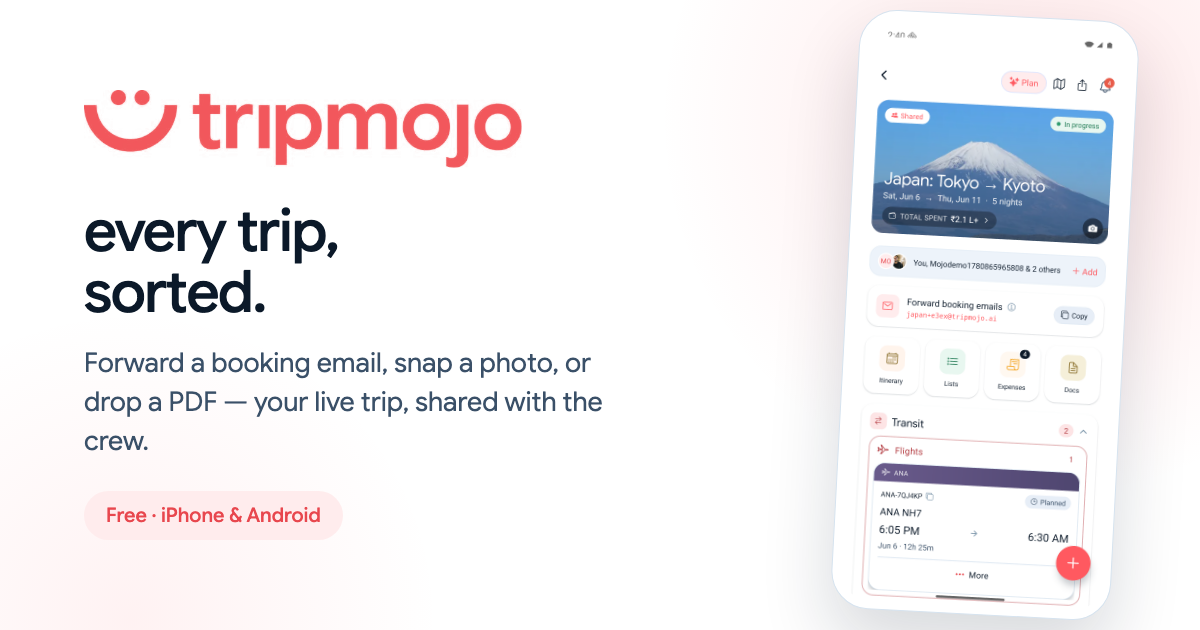
The fix is a single shared itinerary the whole group can access. This is exactly the problem Tripmojo was built to solve. You forward your booking emails, screenshots, and PDFs, and it automatically organizes everything, flights, hotels, activities, into one clean, live itinerary. Instead of digging through chats, everyone opens one link and sees the full plan, always up to date. However you do it, the principle is the same: one source of truth, visible to everyone.
Step 7: Divide Booking Duties
Once you have a plan, split the actual booking work so it doesn't all fall on one person.
Assign clear owners: one books accommodation, another handles transport, someone else reserves activities. Give each owner a deadline and a budget cap. Booking as a group also unlocks savings, many hotels and tour operators offer group rates, and splitting a villa is almost always cheaper per person than separate rooms. As each booking is confirmed, drop it into your shared itinerary immediately, so nothing gets double-booked. Delegating like this is the part of how to plan a group trip that keeps the trip lead from burning out before departure.
Step 8: Sort Out Expense Splitting
You set the budget in Step 3. Now decide how money actually moves during the trip.
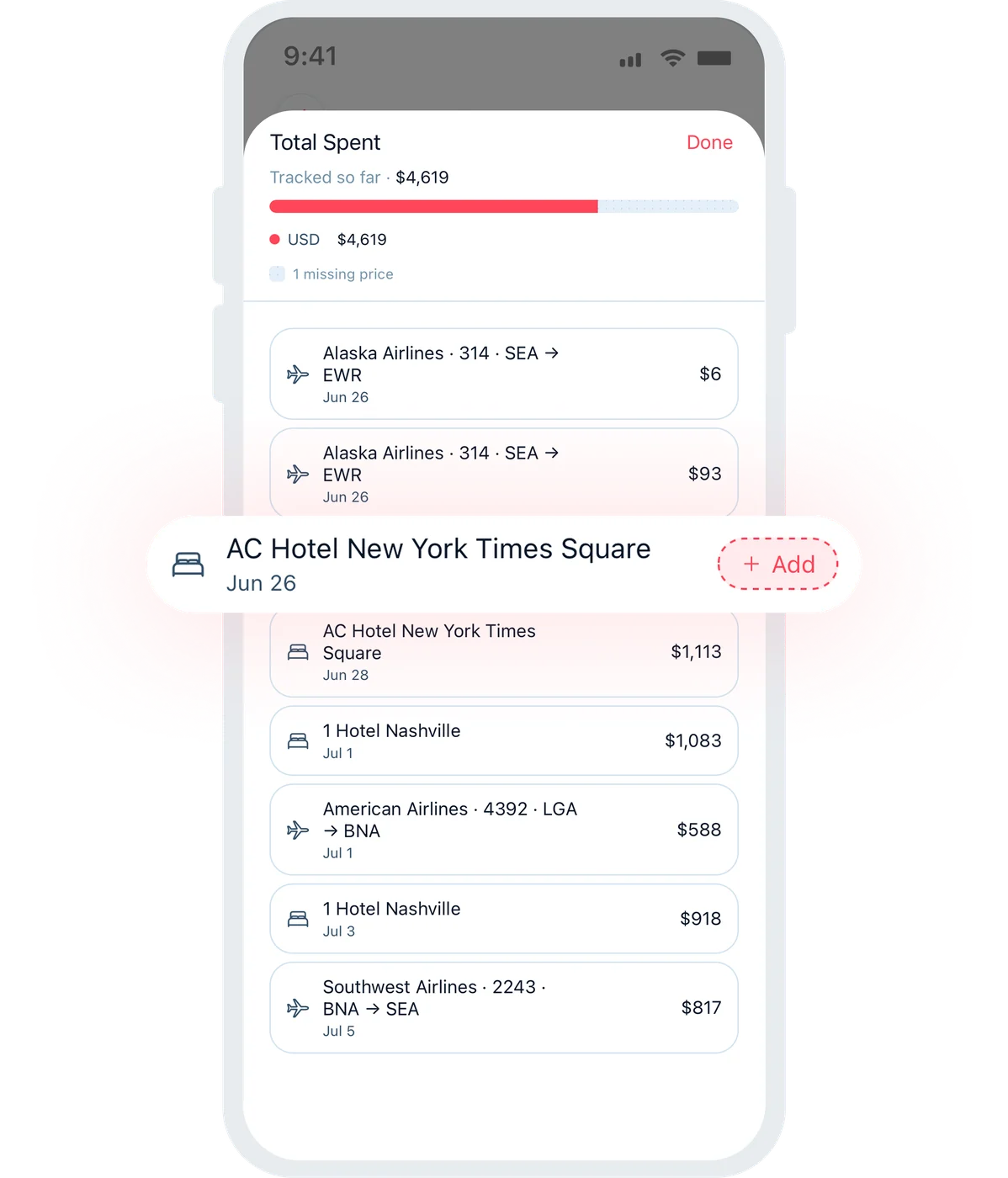
Agree on a system before you leave, not after. The cleanest approach is a shared expense tracker where anyone logs what they paid, and the app calculates who owes whom at the end. This turns a messy web of "you covered lunch, I covered the cab" into a single, fair settlement.
Tripmojo includes built-in expense splitting for exactly this reason, you log shared costs as you go, and it shows who owes what without anyone playing accountant. Whether you use that, Splitwise, or a spreadsheet, the key is picking one method everyone agrees to before the first payment. Nothing sours a great trip faster than chasing friends for money weeks later. Handling money transparently is where knowing how to plan a group trip pays off long after everyone gets home.

Step 9: Plan for Different Energy Levels
Here's a truth every experienced group traveler knows: not everyone wants to do everything, and that's fine.
Some people want 6 a.m. sunrise hikes. Others consider the hotel breakfast the day's main event. If you force the whole group to move as one unit every hour, tension builds fast. Build in flexibility: plan a few key group activities everyone does together, a welcome dinner, one big excursion, and leave the rest open for people to pair off, rest, or explore solo. Solo time isn't antisocial; it's what keeps everyone from getting on each other's nerves by day three. Accounting for different personalities is a subtle but essential part of how to plan a group trip that people actually enjoy.
Step 10: Loop In Family Back Home
Group trips don't just involve the people traveling. There's usually a parent or partner back home who wants to know everyone landed safely, and calls three times to check.
Rather than everyone fielding worried texts separately, share your live itinerary or location with the people who care. Tripmojo lets you share a trip link with family so they can follow along in real time, no app download or account needed on their end. It's a small thing that saves a surprising amount of stress on international trips, and it means fewer interruptions for the group and more peace of mind for everyone at home. Few guides on how to plan a group trip mention this, but keeping non-travelers informed is what keeps your phone from buzzing all vacation.
Step 11: Prepare for Things to Go Wrong
Something always goes slightly sideways on a group trip. A flight gets delayed, a restaurant loses your reservation, it rains on beach day. The groups that handle it well are the ones that planned for it.
Keep digital and physical copies of key documents, IDs, tickets, confirmations, insurance, somewhere the whole group can reach, so a dead phone battery doesn't strand someone. Note a couple of backup options: an alternate restaurant, a rainy-day activity, an emergency contact. Consider group travel insurance for international trips. You won't need most of this, but the one time you do, you'll be very glad it exists. Contingency planning is the step most people skip when they learn how to plan a group trip, and it's the one that turns a potential disaster into a funny story.
Step 12: Recap and Settle Up
The trip isn't fully done when you land. Within a few days of getting home, settle all shared expenses so nothing lingers, if you used an expense tracker, this is a two-minute task. Then send a group recap: the photos, the highlights, the inside jokes. It closes the trip on a high note and plants the seed for the next one. The best group trips become a tradition, and a clean, drama-free experience is what makes people say yes again. Nail how to plan a group trip once, and the recap becomes an invitation to do it all over again.
The Quick Checklist
If you take nothing else from this guide on how to plan a group trip, take this, the entire playbook in one glance:
- Lock the squad, firm commitments before anything else.
- Appoint a trip lead, one or two people to drive decisions.
- Set the budget range, offer tiers, agree on a per-person total.
- Pick dates with a poll, majority overlap, hard deadline.
- Choose a destination, shortlist three, vote once.
- Build a shared itinerary, one source of truth everyone sees.
- Divide booking duties, clear owners, deadlines, caps.
- Sort out expense splitting, pick one system before you leave.
- Plan for different energy levels, group anchors plus free time.
- Loop in family, share your live plan with people back home.
- Prepare for problems, backup documents, options, insurance.
- Recap and settle up, close the loop, start the next tradition.
Final Thoughts
Learning how to plan a group trip comes down to one idea: replace chaos with a system. The trips that fall apart are held together by memory, screenshots, and a group chat nobody can scroll through. The trips that feel effortless are the ones where decisions get made on time, information lives in one place, and money is handled fairly from the start.
You don't need to be a professional organizer to plan a group trip well, you just need a clear process and the right tools to carry the weight, so you're not manually tracking fourteen bookings across three apps. Master how to plan a group trip once, and every trip after gets easier.
That's the whole reason Tripmojo exists: to turn scattered bookings, chats, and confirmations into one live itinerary your whole group can follow, so the only thing left to plan is the fun. Now you know exactly how to plan a group trip, your next adventure is waiting.
Ready to make your next group trip effortless? Try Tripmojo, every trip, sorted.
Frequently asked questions
How far in advance should you plan a group trip?
For a domestic trip, six to eight weeks is usually enough. When you plan a group trip internationally, especially with visas, peak-season flights, or large groups, aim for three to six months. The bigger the group and the further the destination, the more lead time you need, mainly because aligning schedules takes longer than the booking itself.
What's the ideal group size?
Four to eight people. Large enough to split costs and keep energy high, small enough that decisions don't drag. Beyond ten, coordination gets exponentially harder, and you'll want to break the group into smaller units with their own point people.
How do you handle someone who keeps flaking?
Set a commitment deadline tied to a real cost, usually the first non-refundable booking. Before that date, dropping out is free. After it, the flaker either pays their share or forfeits their deposit. Making the consequence clear upfront removes the awkwardness of chasing people.
What's the best way to split expenses?
Use a shared expense tracker where anyone logs what they paid, and let the tool calculate the settlement. Apps like Tripmojo and Splitwise do this automatically. Agree on the method before the trip and log expenses as they happen, reconstructing who paid for what a week later is where disputes begin.
Do I need an app to plan a group trip?
You can plan a group trip with just a chat and a spreadsheet, people managed for years. But an app removes the two biggest pain points: scattered bookings and messy expense splitting. Keeping every confirmation in one shared, live itinerary and letting the math handle itself frees you to focus on the trip rather than the admin. For most groups, that's the difference between dreading the logistics and actually enjoying them.
Written and fact-checked by Tripmojo’s editorial team. Drafted with AI assistance, then reviewed by Simran Raheja before publishing.
Related articles
 How to Split Expenses on a Trip with Friends
Stop the who-paid-what headache. Four simple steps to split expenses on a trip with friends fairly - agree the rules early, track as you go, and settle up in one tap.
 Glastonbury 2027 Tickets - The Playbook Starts This Autumn
Glastonbury returns June 23-27, 2027 after the fallow year. How registration, the November sale, deposits and the spring resale really work - plus farm truths.
 The All in One Travel App: How Tripmojo Replaces 6 Apps
Tripmojo functions as an all in one travel app, consolidating flight tracking, offline itineraries, expense splitting, visa rules, and maps into a single tool.
 How to Book Flights with Points: A Step-by-Step Guide
Learn how to book flights with points step-by-step. Discover how to find award availability, avoid phantom space, transfer points, and maximize value.
 How to Plan a Group Tour: A Step-by-Step Guide
Learn how to plan a group tour from budgeting to booking, with practical steps for camping trips, Japan itineraries, Vegas weekends, and large groups.
 Schengen Visa Application Guide- Step by Step
A step-by-step Schengen visa guide for 2026: the new €90 fee, required documents, which country to apply to, processing times, and how to avoid rejection.