Flying Abroad with Prescription Meds: Rules & Banned Drugs
Avoid border delays or arrest when traveling with prescription medication. Learn international customs rules, banned ADHD meds, and required paperwork.

Flying abroad with prescription medication requires keeping drugs in original pharmacy containers inside carry-on baggage, accompanied by a detailed physician letter. Controlled substances like Adderall, codeine, or Xanax may be strictly banned or require advance import permits (like Japan's Yunyu Kakunin-sho) even for short airport layovers.
When WNBA star Brittney Griner was detained at a Russian airport in 2022 over legally prescribed vape cartridges, it shocked travelers worldwide. Her 10-month ordeal highlighted a brutal reality: domestic prescriptions carry zero legal authority once you cross an international border.
A 2024 SingleCare survey revealed that 27% of American travelers have had prescription medication confiscated at foreign customs. For most, it means a ruined trip and an anxious search for local replacements. For others carrying improperly documented controlled substances, it leads to administrative detention or criminal charges.
Customs officials do not care if a pill is legal in your home town. They enforce local narcotics legislation. Understanding the flying with prescription drugs international rules is the difference between a smooth vacation and a nightmare at border control.
The 60-Second Medication Risk Assessment
Before packing, run your medications through this risk assessment matrix. Not all prescription pills carry equal legal weight abroad.
Tier 1: Low Risk (Standard Maintenance Drugs)
- Medications: Blood pressure treatments, cholesterol medication, birth control pills, thyroid supplements, insulin, and basic antibiotics.
- Border Profile: Rarely questioned by customs officers.
- Protocol: Keep drugs in original pharmacy containers in carry-on luggage. Carry a physician letter if traveling with needles or syringes (such as insulin).
Tier 2: Moderate Risk (Controlled Substances & OTC Surprises)
- Medications: Benzodiazepines (Xanax, Valium, Klonopin), sleep aids (Ambien), high-dose painkillers, and over-the-counter decongestants containing pseudoephedrine.
- Border Profile: Frequently inspected. Quantity limits usually cap supplies at 30 days.
- Protocol: Carry a physician letter on clinic letterhead detailing your diagnosis and dosage. Keep all pills in original labeled bottles.
Tier 3: High Risk (Strictly Regulated or Prohibited Drugs)
- Medications: ADHD medication travel abroad (Adderall, Vyvanse, Ritalin, Concerta), opioid narcotics (codeine, oxycodone, hydrocodone, tramadol), medical cannabis, and CBD products.
- Border Profile: Immediate red flags during customs screening. Risk of confiscation, deportation, or imprisonment without advance official authorization.
- Protocol: Check destination embassy rules months ahead. Secure formal import licenses (such as Japan's Yunyu Kakunin-sho) or arrange alternative non-prohibited therapies.

Country Deep-Dives: Where Common Meds Trigger Legal Trouble
Drug laws vary dramatically by jurisdiction. Knowing which medications banned in other countries cause friction prevents critical mistakes at border entry points.
Japan: Severe Stimulant Controls and Decongestant Bans
Japan maintains exceptionally strict drug import laws under its Stimulants Control Act.
- Adderall and Dextroamphetamine: Completely banned. Japan enforces zero tolerance for amphetamines. Bringing Adderall into Japan is illegal under any circumstance, regardless of a valid prescription. Penalties reach up to 10 years imprisonment.
- Vyvanse, Ritalin, and Concerta: Allowed only with prior written approval via an import certificate known as the Yunyu Kakunin-sho (formerly Yakkan Shoumei).
- How to Apply: Submit your application to the Regional Bureau of Health and Welfare overseeing your arrival airport 2 to 4 weeks before traveling. Key official contact emails include
yakkan@mhlw.go.jp(Kanto-Shin'etsu Bureau for Tokyo Narita/Haneda),kiyakuji@mhlw.go.jp(Kinki Bureau for Kansai/Chubu Centrair), andokinawa-yakuji@mhlw.go.jp(Naha Airport). - Over-the-Counter Surprises: Allergy and cold remedies containing pseudoephedrine (such as Sudafed) or codeine are strictly illegal. Leave them at home.
United Arab Emirates & Saudi Arabia: Zero Tolerance for Narcotics
Gulf nations treat prescription drug violations with extreme severity.
- Controlled Drugs: Codeine, tramadol, diazepam (Valium), alprazolam (Xanax), and methylphenidate (Ritalin) are heavily regulated.
- Pre-Approval Mandatory: Travelers entering the UAE with controlled medications must obtain electronic pre-approval through the UAE Ministry of Health and Prevention online portal 10 to 14 days before departure.
- Enforcement: Entering the UAE with controlled drugs without an electronic permit risks immediate confiscation and prison sentences up to 3 years.
China: Broad Restrictions on ADHD Stimulants and Opioids
Mainland China enforces rigorous screening for central nervous system stimulants and psychiatric drugs.
- ADHD Medications: Stimulant medications face severe import hurdles and are categorized similarly to illegal narcotics on paper.
- Opioid Painkillers: Codeine, hydrocodone, and oxycodone face strict caps and require detailed physician declarations due to historical sensitivities surrounding narcotics control.
- Over-the-Counter Rules: Cold remedies containing pseudoephedrine are restricted as precursor chemicals for illicit methamphetamine production.
Thailand, Singapore & South Korea: Permitting Systems for Stimulants
- Singapore: Adderall is prohibited. Methylphenidate and codeine require advance approval from the Health Sciences Authority (HSA) before arriving at Changi Airport.
- South Korea: Amphetamines are banned. Ritalin and Concerta require pre-approval from the Korean Food and Drug Administration (KFDA).
- Thailand: ADHD stimulants fall under Category 2 psychotropic regulations. Travelers must submit permit applications to the Thai FDA at least 14 days prior to travel, with personal supply limits capped at 30 days.
Europe & the Schengen Area: Approval vs. Import Realities
A common misconception is that Adderall is illegal across Europe. In reality, the European Medicines Agency (EMA) never authorized Adderall for sale or prescription due to addiction risk assessments. As a result, European pharmacies do not stock or refill Adderall.
However, bringing a personal 30-day supply of prescribed Adderall into Schengen Area countries for travel is generally permitted when traveling internationally with prescription medication, provided you carry an official doctor letter and original pharmacy packaging. Be mindful of local variations: France banned over-the-counter sales of codeine in 2017 (requiring a prescription), while Greece enforces stringent controls on all opiate derivatives.

The Layover Trap: Why Connecting Flights Double Your Legal Risk
One of the most frequent mistakes when traveling internationally with prescription medication is ignoring transit countries.
If you fly from London to Sydney with a layover in Dubai or Singapore, you are subject to local drug laws in that transit hub. Even if you remain inside the departure lounge without passing immigration, transit security checkpoints rescreen carry-on baggage.
If security screeners discover unauthorized codeine, Xanax, or Adderall in your bag during a connection, local authorities can confiscate the drug or detain you. A medication legal at your final destination can still trigger arrest in a layover country. Always check embassy guidelines for every country along your flight path.
The Return Journey Trap: CBP's 50-Dosage-Unit Rule
Most travel guides focus entirely on outbound travel, but returning home to the United States carries its own customs hurdle.
Under US Customs and Border Protection (CBP) Article 1444, US residents carrying non-narcotic controlled substances acquired abroad (or carried out without documented proof of domestic origin) are restricted to bringing back a maximum of 50 dosage units.
If you purchase medications like Xanax, Valium, or strong painkillers legally over the counter while visiting Mexico, Spain, or Thailand, attempting to re-enter the US with more than 50 pills without a prescription from a DEA-registered physician will result in immediate CBP seizure and potential fines.

The Bulletproof Documentation Checklist
To ensure hassle-free passage through customs checkpoints worldwide, follow these four non-negotiable packing rules.
Rule 1: Use Original Labeled Pharmacy Containers Only
Never pack prescription pills in plastic daily organizers or unlabelled baggies. Customs screeners view unlabelled loose pills as suspicious illicit narcotics. Keep medications in their original container with the official pharmacy label clearly displaying your full name, physician details, and prescription number.
Rule 2: Keep All Medication in Carry-On Baggage
Never place essential medications in checked luggage. Checked bags are vulnerable to theft, transit delays, lost luggage incidents, and extreme cargo hold temperatures that degrade chemical stability.
Rule 3: Carry a Detailed Doctor Letter
Obtain a formal medical necessity letter printed on official clinic letterhead signed by your doctor. The letter must contain:
- Your full legal name (matching your passport exactly).
- Your precise medical diagnosis.
- Generic and brand names of all prescribed medications.
- Exact dosage instructions and total prescribed quantity.
- An explicit statement that the medication is for personal medical use during travel.
- Physician license number, contact details, and DEA registration number (for US controlled substances).
Rule 4: Secure Backup Copies
Keep a printed copy of your written prescription alongside your medical letter. Leave duplicate copies at home with a trusted emergency contact who can transmit them electronically if your bag is lost.
What Happens If Customs Flags Your Medication?
Understanding the customs inspection process helps you handle secondary screening calmly.
- Secondary Inspection: A customs officer requests to inspect your medicine bottles and documentation. Hand over your doctor letter and answer questions directly and concisely.
- Voluntary Surrender and Confiscation: If an officer informs you that a medication is prohibited without a local permit, accept the decision gracefully. Do not argue, negotiate, or offer money. Attempting to debate border officials or bribe staff can instantly turn a simple drug surrender into a criminal charge.
- Administrative Detention: Carrying large quantities of unapproved controlled drugs without documentation can lead to temporary detention while authorities verify your medical history. Immediately request contact with your home embassy or consulate.
Storing Your Medical Records Offgrid with Tripmojo
Managing doctor letters, pharmacy receipts, and import certificates across multiple travel destinations can get overwhelming.
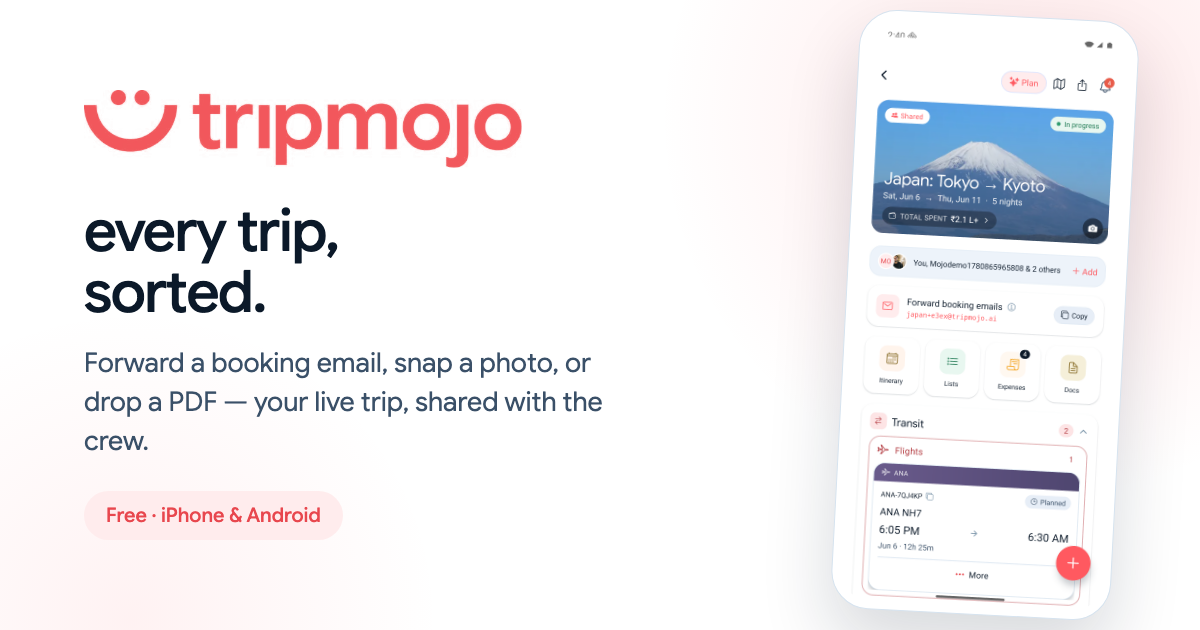
With Tripmojo, you can upload digital copies of your prescription documentation and import permits (such as a Japan Yakkan Shoumei prescription or Yunyu Kakunin-sho) directly into your trip itinerary. Tripmojo stores these files locally on your device, ensuring offline access at border control counters even when airport Wi-Fi fails or cellular roaming is unavailable.

Frequently asked questions
Can I travel internationally with a 90-day supply of prescription drugs?
Most foreign customs agencies cap personal medication imports at a 30-day supply without advance permits. If your trip requires a 60-day or 90-day supply, you must obtain a specialized physician letter explaining the extended trip duration and verify whether your destination requires an explicit customs import license.
Is Adderall banned in Japan and Europe?
Adderall is completely banned in Japan under the Stimulants Control Act with zero medical exemptions allowed. In Europe, Adderall is not authorized for local prescription or sale, but tourists are generally permitted to carry a personal 30-day supply for travel if held in original pharmacy packaging with an official doctor letter.
How long does it take to get a Japan Yakkan Shoumei (Yunyu Kakunin-sho)?
Processing for Japan's import certificate (officially called Yunyu Kakunin-sho) takes 2 to 4 weeks. You must submit your application via email to the Regional Bureau of Health and Welfare handling your port of entry before departing on your trip.
What should I do if my prescription medication is lost while traveling abroad?
Never attempt to have replacement controlled substances mailed to you internationally, as foreign customs will likely seize imported pharmaceuticals. Instead, visit an embassy-recommended clinic or local physician with a copy of your doctor's medical letter to receive a local prescription.
Can I pack my prescription drugs in my checked luggage?
No. You should always pack prescription drugs in your carry-on luggage. Checked bags can be lost, delayed, or exposed to heat and pressure extremes, leaving you stranded without critical medication or unable to show original packaging at customs.
Are over-the-counter cold medicines legal in all foreign countries?
No. Over-the-counter decongestants containing pseudoephedrine or ephedrine (such as Sudafed) are restricted or prohibited in countries like Japan and Mexico because they serve as precursor ingredients for illicit drug manufacturing.
Written and fact-checked by Tripmojo’s editorial team. Drafted with AI assistance, then reviewed by Simran Raheja before publishing.
Related articles
 First Time Flying Abroad from India: Airport & Emigration Guide
Planning your first international trip from India? Here is the complete step-by-step walkthrough covering airport counters, emigration, cash rules, and landing.
- Best Countries for New Year from India - 10 Picks for NYE 2027
Planning a New Year trip abroad from India? Compare 10 countries by midnight vibe, what time it is back home, October 2026 visa rules and NYE-night logistics.
- Best International Destinations from India in December (2026-27)
Planning a winter getaway from India? Discover top international destinations for Dec 2026 - Jan 2027 sorted by visa speed, flight times, and Rs budgets.
 The Passport 6-Month Rule: Which Countries Enforce It
Which countries require 6 months of passport validity, which accept 3, and the 10-year rule that rejects valid passports. Do the math before you book.
 10 Rules for Traveling With Friends Without Fighting
Real travel with friends tips from someone who's survived the group trips, 10 honest rules to keep the friendship intact and the trip unforgettable.
 Jio International Roaming for OTPs Abroad: 2026 Guide
Current Jio prepaid and postpaid roaming activation steps, incoming SMS rules, safe dual-SIM settings, and fixes when bank OTPs do not arrive abroad.