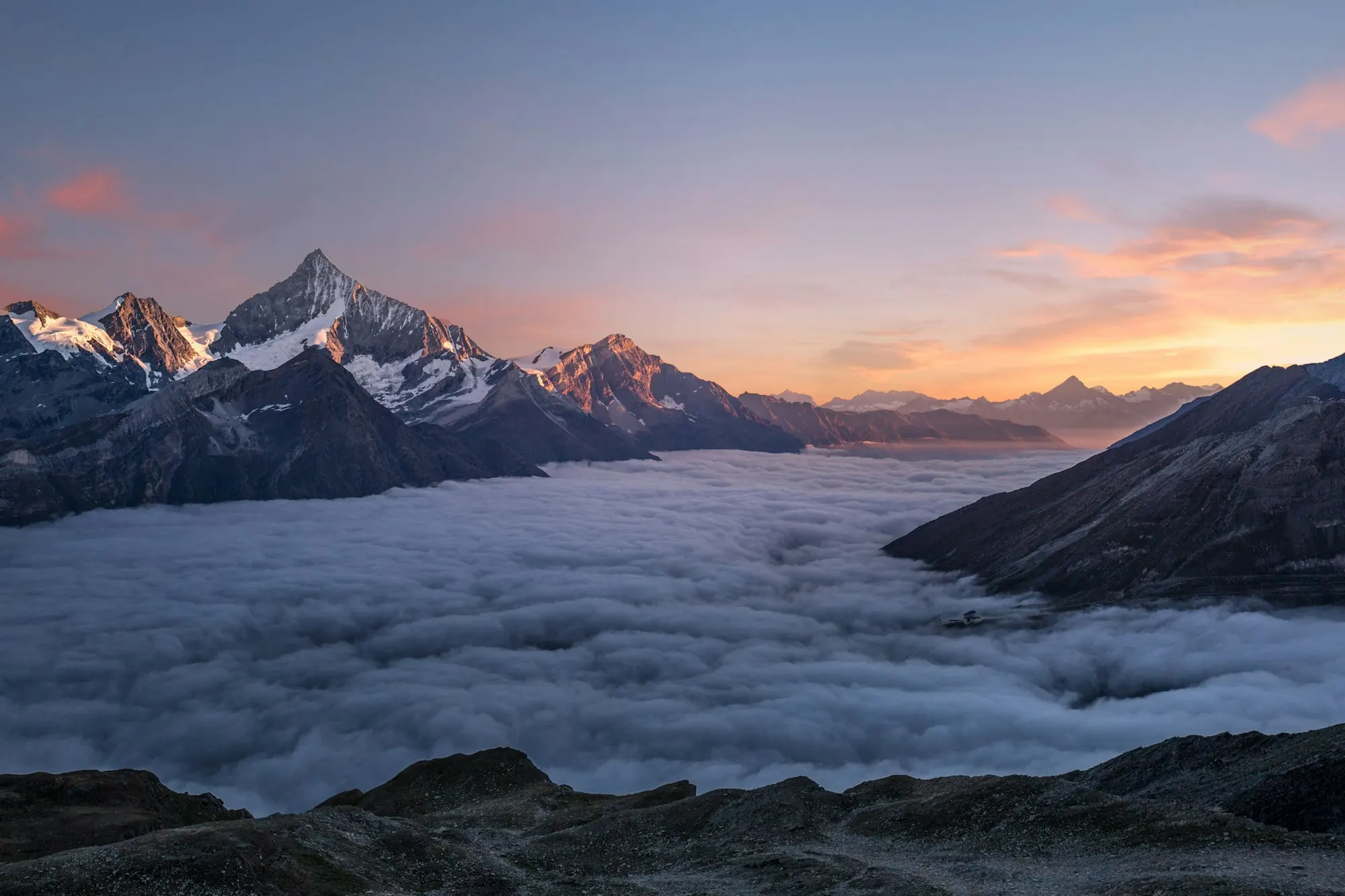
Nashik Kumbh Mela 2027 - A First-Timer's Guide to Simhastha
Nashik Kumbh Mela 2027 explained - royal bath dates Aug 2, Aug 31 and Sep 11-12, Nashik vs Trimbakeshwar, tent city vs hotel, monsoon reality and etiquette.

The Nashik Kumbh Mela's three main royal bath (Shahi Snan) days fall on August 2, August 31 and September 11-12, 2027, on the Godavari river in Nashik and at Trimbakeshwar. There is no ticket - attendance is free and open. Book a Nashik hotel or a government tent-city berth by late 2026, because beds near the ghats will be gone months out.
The largest recurring human gathering on the planet does not sell tickets. No lineup, no wristband, no gate - just a river, a date fixed by astrologers centuries ago, and tens of millions of people converging on the same stretch of water before sunrise. In 2027, that river is the Godavari, and the city is Nashik.
Nashik's turn in the Kumbh cycle comes roughly every 12 years, and this edition - properly called the Simhastha Kumbh - formally opened with a flag-hoisting ceremony on October 31, 2026 and runs to July 2028. But the dates that matter, the three Shahi Snan (royal bath) days when the ash-smeared akharas march to the water in full procession, are packed into six weeks of monsoon-soaked 2027: August 2, August 31, and September 11-12.
If 2027 is your year for a big trip, this is one of the handful of events genuinely worth building a trip around - we ranked it alongside every major event of 2027 for exactly that reason. Here is how a first-timer actually does it.
The three royal bath dates - and which one to pick
The full Simhastha calendar has dozens of auspicious bathing days, but three carry the weight:
- August 2, 2027 - the first Shahi Snan, on Somvati Amavasya. Also, awkwardly, the same day as the total solar eclipse over Egypt and Spain.
- August 31, 2027 - the second Shahi Snan, on Shravan Amavasya. Widely expected to be the single biggest day of the entire Mela.
- September 11-12, 2027 - the third Shahi Snan, split across two days and two venues. The Vaishnava akharas bathe at Ramkund in Nashik on September 11; the Shaiva akharas bathe at Kushavarta Kund in Trimbakeshwar on September 12.
My honest recommendation for a first-timer: September 11-12. Two processions, two consecutive days, two different sites, a retreating monsoon, and a crowd a notch below the August 31 peak. August 31 is the maximalist choice if sheer scale IS the point. August 2 is the one I would skip, for a reason that has nothing to do with Nashik.
For scale: the 2015 edition drew an estimated 75 million pilgrims, and officials expect 2027 to beat it.
Two rivers of people - Nashik or Trimbakeshwar?
Here is what most first-timers do not realize until they arrive: this Kumbh happens in two places at once, about 30 km apart.
Ramkund, Nashik sits on the Godavari in the old city's Panchavati quarter, tied to the Ramayana's exile years. It is the seat of the Vaishnava akharas - the orders devoted to Vishnu - and it is urban, dense, and wrapped in centuries of pilgrimage infrastructure.
Kushavarta Kund, Trimbakeshwar is a stone tank in a small temple town at the foot of Brahmagiri hill, where the Godavari rises. The Shaiva akharas - Shiva's orders, including the famous naga sadhus - bathe here, beside one of India's twelve jyotirlinga temples.

Want full sensory overload? Base in Nashik for Ramkund. Want something closer to comprehensible? Trimbakeshwar is smaller, more contained, and arguably more photogenic, with the black basalt temple as backdrop. The road between them jams or closes to private vehicles on bath days, so forget doing both in one morning. Pick your ghat the night before and commit.
What a Shahi Snan morning actually looks like
Nobody tells you this part, so I will. On a royal bath day you are not really going to bathe - unless you choose to - you are going to watch a parade unlike anything else on earth.
It starts around 3am. The akharas move to the river in strict, ancient order of precedence, each a rolling procession of chariots, horses, banners, drums, and thousands of sadhus. The naga sadhus - naked, ash-covered, tridents in hand - lead the Shaiva columns at a run, roaring, into the water. Each akhara gets its window; the sequence takes hours. Ordinary pilgrims bathe afterwards, in waves the police manage ghat by ghat.

Practical translation. Be in position by 3.30am, on elevated ground, carrying nothing you cannot afford to lose - strap-on sandals, a small dry bag, water. Phone networks collapse under load, so agree a physical meeting point before your group separates, because it will. Then stay put and let the spectacle come past you. The miserable visitors are the ones fighting the crowd; the happy ones found a spot and surrendered to it.
The August 2 problem - you cannot be in two places
August 2, 2027 is the first Shahi Snan. It is also the day a total solar eclipse - over six minutes of totality, the longest of the century from land - crosses Egypt and southern Spain. Same planet, same date, 4,500 km apart.
You cannot do both. No itinerary trick gets you the Godavari at dawn and totality over Luxor or Spain that afternoon. So choose honestly. If the eclipse is your once-in-a-lifetime pull, chase it - the Kumbh gives you two more royal baths within six weeks. That escape hatch is exactly why August 31 or September 11-12 are the smarter Kumbh dates anyway: no eclipse-date scheduling bind, and gentler monsoon odds.
Where you will sleep - tent city vs hotel
There is no ticket to the Kumbh, so accommodation is the real booking race. Four tiers:
Nashik hotels. Real hotel stock from budget lodges to business hotels, with new properties being built for the Mela. Expect bath-day pricing to triple or worse. For August 31 and the September dates, usable inventory will effectively be gone by early 2027 - put refundable rooms on the books this autumn.
Government tent cities. Maharashtra is preparing large pilgrim tent townships with a digital booking app, following the Prayagraj 2025 model. Pricing and the booking-open date had not been announced as of August 2026 - watch official Simhastha channels from late 2026. Historically these open a few months before the bathing season, from dorm cots to en-suite tents.
Private tent camps. Operators run higher-end camps with meals and bath-day transfers, sold as 2-3 night packages. Convenient, small inventories, first to sell out.
Sadhugram. The vast canvas township built for the akharas themselves - several hundred acres. Not tourist lodging, but walking its lanes at lamp-lit aarti time is one of the great free experiences of the Mela.
Getting there - the 3.5-hour problem
Nashik is about 165 km from Mumbai - roughly 3.5 hours by road, about 3 by train to Nashik Road station.
- Train is the sane option. Special Kumbh services usually run, and regular Mumbai-Nashik trains sell out well ahead of bath-day eves. Book the moment the 120-day reservation window opens.
- Road works if you travel a day early. Do not drive in on a snan morning - outer-perimeter parking plus long walks or shuttles is the standard drill.
- Air. Nashik's Ozar airport has limited connections; officials have promised 8-10 helipads and helicopter circuits. Nice-to-haves, not a plan.
It will rain - plan for it
August in Nashik is peak monsoon. Expect humid days, mud everywhere, and rain in sheets - the district has recorded 200mm-in-a-day episodes, and the Godavari has flooded its riverside temples in heavy years. The Mela machinery is built for this; your packing list should be too: quick-dry everything, a real rain shell (an umbrella is useless in a crowd), double zip-locks for phone and passport. The reward is real - the Trimbakeshwar hills turn absurdly green. By the September 11-12 snan the rain is usually softening, one more argument for the third bath.
The unexpected pairing - India's wine country
The angle almost no Kumbh guide mentions: Nashik is also the wine capital of India. Some 30-odd estates sit in the surrounding hills, led by Sula Vineyards, whose tasting room practically invented Indian wine tourism. A morning watching naga sadhus charge into a river and an afternoon tasting chenin blanc above monsoon-green vines is a whiplash you cannot manufacture anywhere else. Tasting rooms stay open through the monsoon even when vineyard walks get muddy - spend a rest day here between snan dates.
Showing up respectfully
The Kumbh is a living religious event, not a show staged for visitors, and foreigners are overwhelmingly welcomed when they behave like guests.
- Dress modestly and expect to get soaked anyway; if you bathe, do it clothed, as everyone does.
- Ask before photographing sadhus up close. Many happily agree, some expect a small dakshina (offering), and a refusal is a refusal.
- Never photograph bathing women. This is the one line that gets visitors into genuine trouble.
- Do not touch anyone with your feet, do not step over people sleeping on ghats, and give processions absolute right of way.
- Drones are restricted across the Mela zone. Leave it at home.

Go to an evening Godavari aarti on a non-bath day. Same river, same lamps, a fraction of the crowd - it is where the Mela stops being a statistic and becomes a place.
Your planning timeline
Now (August 2026). Pick your snan date - September 11-12 gets my vote - and book a refundable Nashik hotel. Set fare alerts for Mumbai.
This autumn/winter. Watch for the government tent-city app to open and grab a berth as backup or main lodging; private camps take deposits from late 2026. If India's great gatherings call to you, the Pushkar Camel Fair this November is a fraction of the scale and a perfect rehearsal for Kumbh crowd logistics.
Early 2027. Book trains the day the 120-day window opens. Lock Mumbai flights.
July-September 2027. Arrive a day early, scout your ghat, charge your power bank, set a 2.45am alarm. If you are wrangling this with friends, keep the whole moving puzzle - flights, hotel, tent booking, train PNRs, the meet-up point - in one shared place like Tripmojo so nobody is digging through chat threads at 3am in a crowd of millions.
Frequently asked questions
When is the Nashik Kumbh Mela 2027?
The Simhastha cycle opened on October 31, 2026 and runs to July 2028, but the main royal bath days are August 2, August 31, and September 11-12, 2027. July-September 2027 is the core pilgrim season.
Do I need a ticket to attend the Kumbh Mela?
No. There is no ticket, fee, or registration for the Mela itself. What you must book are lodging and transport - and those behave like tickets in practice, with the closest beds selling out months ahead of each bath date.
Should I go to Nashik or Trimbakeshwar?
They are two venues of the same Kumbh, about 30 km apart. Ramkund in Nashik hosts the Vaishnava akharas and the biggest urban spectacle; Kushavarta Kund in Trimbakeshwar hosts the Shaiva akharas, naga sadhus included, in a smaller temple-town setting. Pick one per bath day.
Which Shahi Snan date is best for a first-time visitor?
September 11-12, 2027. Both venues' processions on consecutive days, softer weather, and slightly thinner crowds than August 31, the expected peak. August 2 clashes with the total solar eclipse over Egypt and Spain, so travelers torn between the two should pick a later bath.
Is the monsoon a problem in August?
It rains, sometimes heavily - Nashik is in full monsoon through August and the Godavari runs high. The event functions regardless; pack a rain shell, quick-dry clothes, and waterproof pouches, and build slack into road journeys. By mid-September the rain usually eases.
Can foreigners bathe in the river?
Yes, after the akharas have finished - ordinary pilgrims, foreign or Indian, bathe in managed waves. Bathe clothed, leave valuables with a friend on shore, and follow police directions on which ghat sections are open.
Written and fact-checked by Tripmojo’s editorial team. Drafted with AI assistance, then reviewed by Simran Raheja before publishing.
Related articles
 ADE 2026 First-Timer's Guide - Amsterdam Dance Event, Decoded
ADE 2026 takes over Amsterdam Oct 21-25. How tickets really work, which club nights sell out first, where to stay by scene, and the free daytime program.
 Oktoberfest 2026 Survival Guide - First-Timer Tips That Work
Oktoberfest 2026 runs Sep 19 - Oct 4 in Munich. Beer prices, tent picks, reservation vs walk-in tactics, real daily budgets, and the Augsburg bed hack.
 IPL 2027 Travel Planner - Dates, Fixtures, and Tickets Status
IPL 2027 is part of the confirmed 2025-2027 regulatory cycle, but its dates, fixtures, venues, and tickets are TBD. Build a flexible cricket trip safely.
 Konark Dance Festival 2026 - Dates Status and Travel Guide
Odisha Tourism lists Konark Festival's annual 1 to 5 December pattern, but the 2026 edition and programme remain TBD. Plan a flexible Puri or Bhubaneswar trip.
 Pushkar Camel Fair 2026 - Dates, Camps, and When to Go
Pushkar Camel Fair 2026 runs Nov 17-24. Why the camels leave before most tourists arrive, real tent-camp prices, a 2-3 day plan, and how to reach Pushkar.
- Seville or Barcelona? Pick by Your Month and Your Travel Party
Seville or Barcelona? A month-by-month verdict, 2026 prices and tourist taxes, a traveller-type matrix and a train plan for doing both cities in one trip.