Places to Visit in Wayanad: A Group Trip Guide
Planning a group trip? Here are the best places to visit in Wayanad, honest advice on timing, basing yourself, monsoon risks, and where crowds thin out.

Wayanad's best spots split into three clusters: waterfalls and viewpoints around Chembra and Meenmutty, wildlife zones near the sanctuary, and heritage stops like Edakkal Caves and Varikkassery Mana. Three to four days lets you cover one cluster properly rather than rushing all three. Avoid peak monsoon (June-August) if you're nervous about landslides; October to March is calmer and clearer.
If you've typed 'places to visit in Wayanad' into a search bar while planning a group trip, you've probably noticed the same six or seven spots repeating across every list: Chembra Peak, Edakkal Caves, Banasura Dam, Soochipara Falls. That repetition isn't accidental, these are the sites worth building a Kerala hill-country trip around. But Wayanad has grown from a quiet plantation district into one of South India's busiest weekend escapes, and that popularity has consequences: crowded viewpoints, degraded heritage houses, and monsoon-season roads that need real caution. This guide sorts the genuinely good stops from the ones that have lost their shine, tells you how many days to budget, and flags where the crowds and the weather might change your plans.

If Wayanad is one stop on a bigger Kerala plan, our Kerala tour packages cover the full-state circuit with stays and transfers included.
Places to Visit in Wayanad: Choosing Your Cluster
Wayanad packs three very different kinds of stops into one hill district: misty waterfalls and viewpoints, wildlife-heavy nature reserves, and a small clutch of heritage buildings with genuine cultural weight. Trying to squeeze all three into a rushed two-day trip is how groups end up exhausted, having seen everything and enjoyed none of it.
Pick one cluster as your anchor, build the day around it, and treat the other two as optional extras if the schedule allows.
| Cluster | Best For | Time Needed |
|---|---|---|
| Waterfalls & viewpoints | Photos, short treks, group selfies | 1-2 days |
| Wildlife & lakes | Safaris, boating, quieter mornings | 1 day |
| Heritage & culture | History, architecture, rainy-day backup | Half a day |
Tip: Do the wildlife sanctuary and Banasura Dam early in the trip. Both get noticeably busier once weekend day-trippers arrive from Kozhikode and Bangalore.
How Many Days Do You Need in Wayanad?
Three days is the realistic minimum for a first group visit that wants a proper look at more than one cluster, without feeling like a checklist exercise.
- Two days: enough for one cluster only, usually waterfalls or heritage.
- Three days: covers waterfalls, one wildlife stop, and the heritage sites at a comfortable pace.
- Four to five days: adds slower extras such as a plantation walk or a second, quieter viewpoint away from the main circuit.
Groups arriving from Bangalore on a long weekend tend to default to three days including travel, which is workable if you're not also trying to self-drive both legs in one day.
Where Should Groups Base Themselves?
Kalpetta sits roughly central to most of the well-known sights and works as a single base for a standard itinerary.
- Vythiri and Meppadi sit closer to the waterfall cluster, useful if that's your main focus.
- Sultan Bathery suits groups prioritising Edakkal Caves and the wildlife sanctuary side of the district.
- Kalpetta itself is the safest all-round choice if you don't want to relocate mid-trip.
Moving hotels every night sounds efficient on paper but wastes real time on packing and ghat-road driving. One base, with day trips out from it, is the calmer approach for a group.
Waterfalls and Viewpoints Worth the Detour
This is the cluster most people picture when they think of Wayanad: green ridgelines, waterfalls after rain, and viewpoints that need an early start to beat both the haze and the crowds.
Chembra Peak and the Heart-Shaped Lake
Chembra's summit trek is the district's signature hike, and the heart-shaped lake partway up is the reason it shows up on every itinerary.
Access is controlled by the forest department, with a cap on daily trekkers, so sort permits as early in the day as you can rather than assuming you'll walk straight in. Groups who turn up mid-morning on a weekend regularly get turned away or told to wait.
Tip: Start the Chembra trek at first light. The lake viewpoint is also where the cloud cover burns off fastest, so early groups get clearer photos than anyone arriving after 10am.
Meenmutty and Soochipara Falls
Meenmutty is the taller, more dramatic of the two, reached by a forest walk that's genuinely pleasant rather than just a means to an end.
Soochipara has a shorter approach and a swimmable pool at the base, seasonal and rope-assisted, which makes it the more popular choice for groups who want to actually get in the water rather than just photograph it from a platform.
Wildlife and Nature Around Wayanad
Beyond the waterfalls, Wayanad's wildlife side is less photogenic on Instagram but arguably more relaxing, with slower mornings and fewer people fighting for the same viewpoint.
Wayanad Wildlife Sanctuary
Jeep safaris here run on fixed slots through the forest department, and sightings lean towards elephants, gaur, and deer rather than big cats, so set expectations with the group accordingly.
Booking a slot the day before, rather than turning up hoping for a spot, saves a wasted morning.
Banasura Sagar Dam
Banasura is one of the larger earthen dams in the region, and the reservoir views from the walking trail are worth the stop even if you skip the boating.
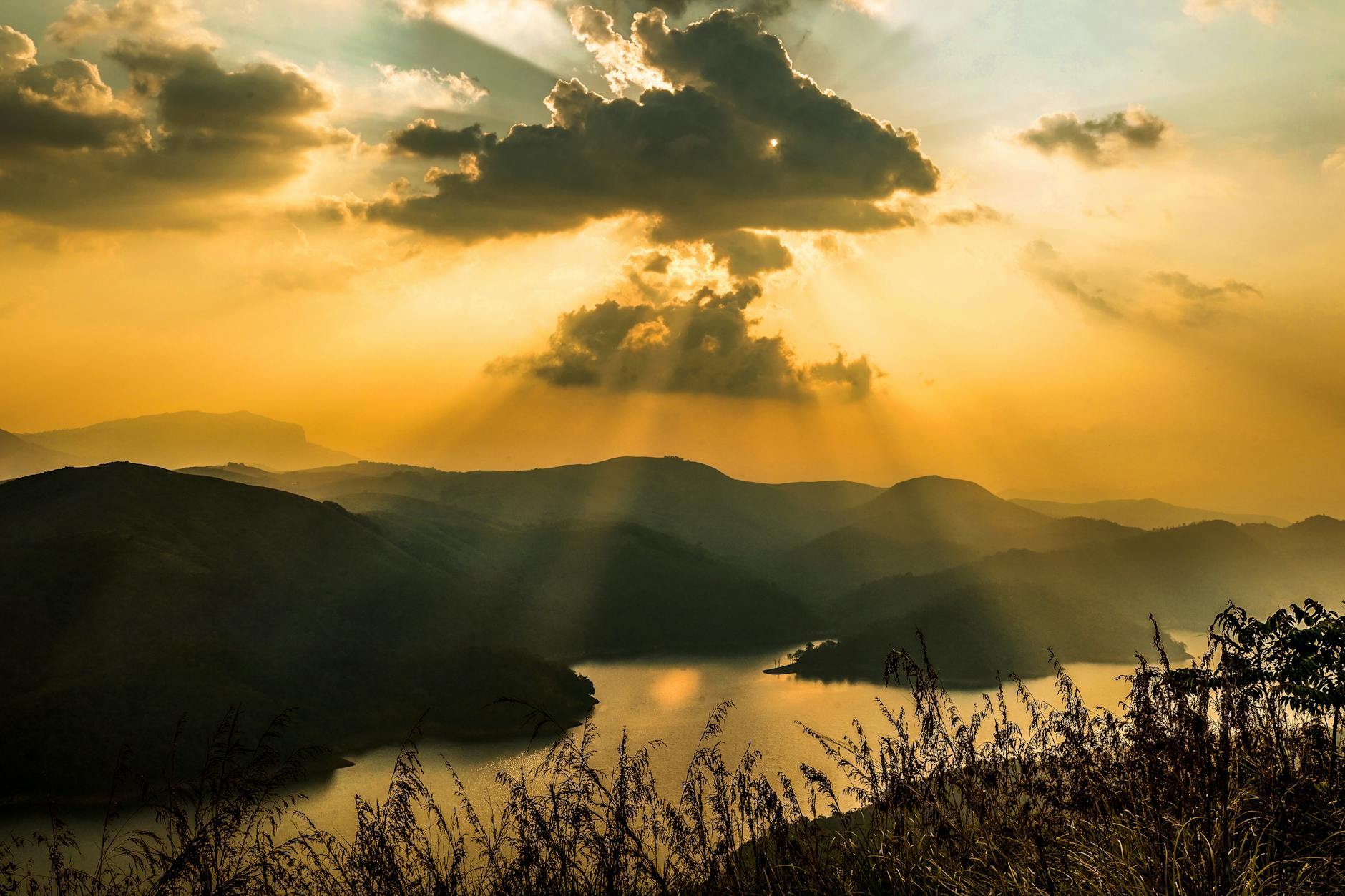
It's an easy half-day add-on, better suited to a relaxed morning than a rushed final stop before check-out.
Heritage Stops: Edakkal Caves and Varikkassery Mana
Wayanad's two best-known heritage sites couldn't be more different: one is a prehistoric rock-art site, the other a traditional Kerala mansion, and both have become victims of their own popularity.
Edakkal Caves: Is It Still Worth the Climb?
Edakkal's rock carvings are genuinely old and genuinely worth seeing, which is exactly why the site draws steady crowds through the day.

The climb up is short but rocky and can queue badly on weekends. Some visitors have flagged fresh graffiti scratched near the ancient carvings themselves, a reminder that popularity doesn't always come with better upkeep.
Go early on a weekday if you can. It's still worth the climb, just not at midday on a Saturday.
Varikkassery Mana: Charming or Overrun?
Varikkassery Mana is a traditional Kerala tharavad house with real architectural character, and its association with actor Mohanlal's films has turned it into a standard stop on group itineraries.
One long-time visitor described returning to the house after roughly a decade and finding the wooden interior scratched with carved names and graffiti, a jarring change from the quiet, atmospheric building they remembered from an earlier visit.
It's still worth a short stop for the architecture, but go in with modest expectations about the interior's condition rather than the polished version you might see in older photos online.
Is Wayanad Too Crowded Now?
Ask ten travellers and you'll get two answers. Wayanad regularly gets lumped in with Munnar and Alleppey as one of Kerala's most mainstream, most crowded destinations, and groups looking for something quieter often skip it entirely for that reason.
Others push back on that, pointing out that the crowding is concentrated at a handful of named sights, Edakkal, Banasura, Varikkassery Mana, rather than the district as a whole. Spend a morning on a lesser-known viewpoint or a plantation road and you'll have it largely to yourself.
Both things are true at once. The famous stops are genuinely busy. The district around them isn't.
If your group has done Wayanad before and wants variety on the next trip, it's worth looking further afield. Coastal Karnataka offers a different pace if you check the Mangalore group trip guide, while groups after cooler mountain air might prefer the Shimla group trip guide instead. For a heritage-and-food focused change of scenery, the Ahmedabad group trip guide and the Chandigarh guide are worth a look too.
Planning Around the Monsoon: When Should You Go?
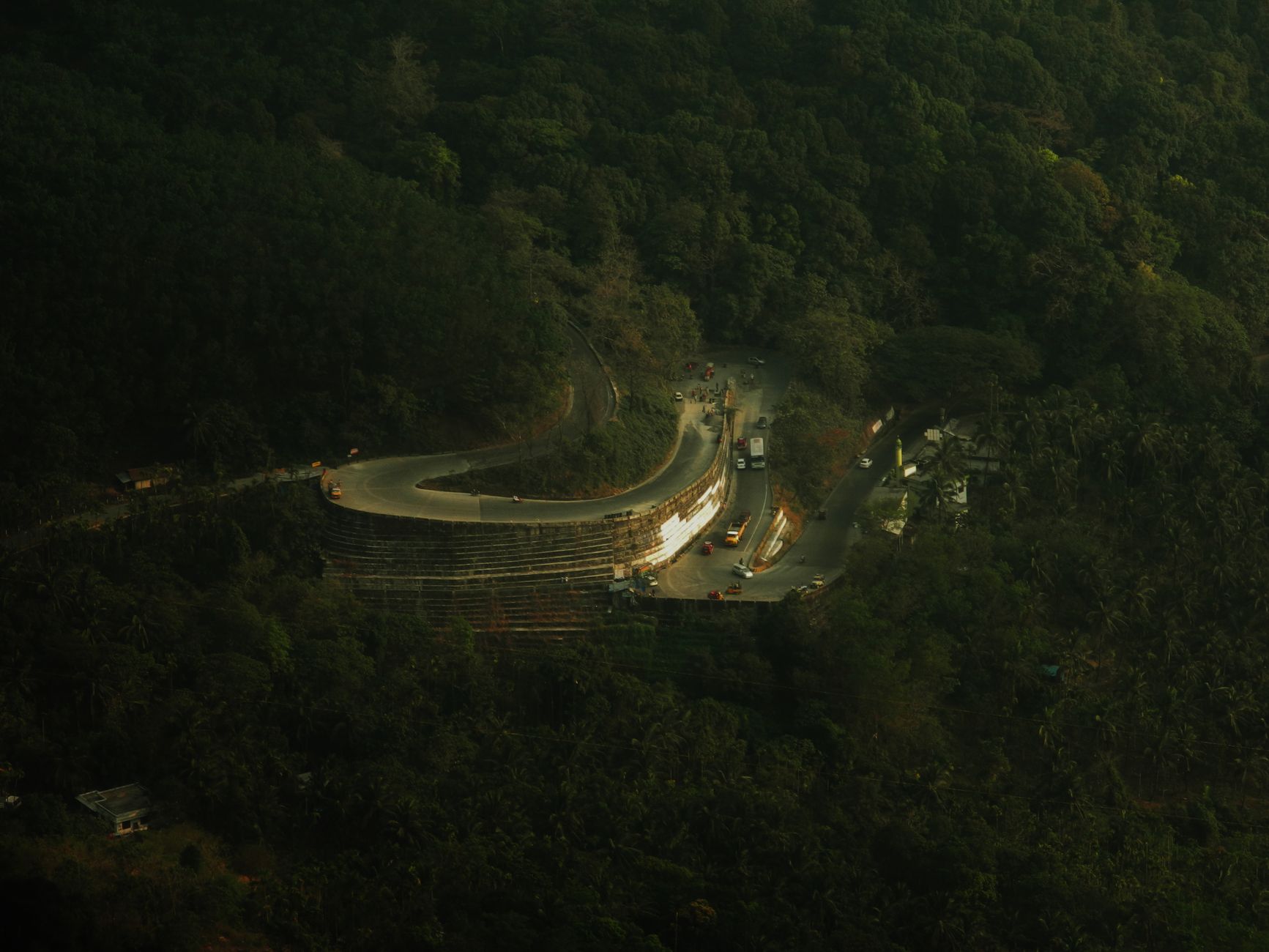
Timing matters more in Wayanad than in most Kerala destinations, mostly because the ghat roads that connect its sights react badly to sustained rain.
Monsoon Risks and Road Closures
Wayanad's ghat roads are genuinely vulnerable in heavy rain, and landslide-related closures do happen during the peak of the monsoon. Groups planning a July trip should treat this as a real planning variable, not a minor inconvenience.
Warning: Don't lock in a fixed day-by-day monsoon itinerary without a backup plan. Check current road and rainfall advisories in the days before you travel, and keep at least one buffer day in case a route closes.
If you want a broader read on which Indian destinations handle the rains better, our monsoon travel guide covers the trade-offs in more detail.
Best Months for a Group Trip
| Season | Weather | Group Trip Verdict |
|---|---|---|
| June-August (monsoon) | Heavy rain, landslide risk | Only for flexible groups with backup plans |
| September-November | Post-monsoon, lush and green | Good once roads have reopened |
| December-February | Cool, dry, clearest views | Best all-round window for groups |
| March-May | Warm, humid | Manageable but hazier viewpoints |
December through February is the safest bet if your group has zero appetite for rain-related surprises. The trade-off is that this is also when Wayanad is at its busiest, so book accommodation well ahead.
A Sample 3-Day Group Itinerary
Use this as a starting frame rather than a fixed script. Swap sections around depending on which cluster your group cares about most.
| Day | Morning | Afternoon / Evening |
|---|---|---|
| Day 1 | Arrive, settle into base in Kalpetta | Banasura Sagar Dam, sunset at a nearby viewpoint |
| Day 2 | Chembra Peak trek (permit-dependent, early start) | Soochipara or Meenmutty Falls |
| Day 3 | Edakkal Caves (go early) | Varikkassery Mana, then depart |
- Day 1: Arrive from Bangalore or Kozhikode, check into a Kalpetta-area base, and use the afternoon for Banasura Dam before the light drops.
- Day 2: Start Chembra Peak at first light to beat both the crowds and the cloud cover, then cool off at Soochipara Falls in the afternoon.
- Day 3: Get to Edakkal Caves before mid-morning, then close the trip with a short stop at Varikkassery Mana before heading back.
Getting There and Getting Around
Most groups reach Wayanad by road, usually from Bangalore or Kozhikode, which means the drive itself is part of the trip planning, not an afterthought.
Self-Drive vs Hired Car From Bangalore
| Option | Pros | Cons |
|---|---|---|
| Self-drive rental | Flexible stops, often cheaper for larger groups in a 5- or 7-seater | Ghat roads demand confidence, riskier in monsoon rain |
| Hired car with driver | Local road knowledge, less stress on winding sections | Less spontaneous, higher cost per day |
Groups travelling from Bangalore often ask whether to self-drive or hire a car with a driver, and honestly it comes down to how comfortable your group is with hill roads in low visibility. If anyone is nervous about hairpin bends or night driving, a hired car earns its cost back in peace of mind. Compare this against how you'd plan a similar trip out of Bangalore itself, where flatter roads make self-drive a much easier call.
Local Transport Once You're There
Once you're based in Wayanad, most sights are a short drive apart rather than a long haul, so a single vehicle for the group covers the whole trip without needing to switch transport modes.
Public transport between individual sights is thin, so if you didn't drive in, budget for local taxi hire rather than relying on buses to hit a tight schedule.
The short version
Wayanad rewards groups who pick one cluster of places to visit in Wayanad and commit to it, rather than trying to rush every famous stop into one weekend.
- Decide whether your group wants waterfalls, wildlife, or heritage as the priority cluster, and build the days around that one first.
- Book a single base, most likely Kalpetta, and run everything else as a day trip rather than switching hotels nightly.
- Sort Chembra Peak forest permits and wildlife sanctuary safari slots a day ahead rather than on arrival.
- Skip a rigid June-to-August monsoon itinerary unless you've checked current road advisories and built in a buffer day.
- Go early to Edakkal Caves and Varikkassery Mana on a weekday if you want them without the crowds.
Frequently asked questions
How many days do you need in Wayanad?
Three days works well for a first group visit covering waterfalls, one wildlife stop, and the main heritage sites without rushing. Two days is enough if you're focused on a single cluster, usually the waterfalls or the heritage sites. Add a fourth or fifth day if you want slower extras like a plantation walk or a quieter, lesser-known viewpoint away from the main circuit.
Which sights should a first-time group prioritise?
Chembra Peak, Banasura Sagar Dam, and Edakkal Caves cover the three main clusters, waterfalls and viewpoints, wildlife and lakes, and heritage, in roughly a day each. Soochipara Falls is worth adding if your group wants to swim rather than just photograph water from a platform. Varikkassery Mana makes a good short stop if you're already near Edakkal Caves.
Is Edakkal Caves worth the climb?
Yes, the rock carvings are genuinely old and worth seeing, but the short rocky climb queues badly on weekends and around midday. Some visitors have noted fresh graffiti scratched near the ancient carvings, so temper expectations about pristine condition. Going early on a weekday gives you a much calmer visit than a Saturday afternoon.
Is Varikkassery Mana worth visiting?
It's still worth a short stop for the traditional Kerala architecture and its connection to actor Mohanlal's films, but go in with modest expectations. Long-time visitors describe the wooden interior as increasingly marked with carved names and graffiti compared to a decade ago, so the polished photos you see online may not match what you find on arrival.
What is the best time of year to visit Wayanad?
December through February brings cool, dry weather and the clearest viewpoints, making it the most reliable window for a group trip. September to November works well once monsoon roads have reopened, with the landscape at its greenest. June to August carries real landslide and road-closure risk, so only plan a monsoon trip if your group can stay flexible.
Is it safe to visit Wayanad during the July monsoon?
It can be done, but treat it as higher-risk travel rather than a standard trip. Ghat roads in Wayanad do see landslide-related closures during peak monsoon months, so check current rainfall and road advisories close to your travel dates and build in at least one buffer day in your itinerary in case a route shuts unexpectedly.
Can you self-drive from Bangalore to Wayanad?
Yes, groups regularly rent a 5- or 7-seater and self-drive from Bangalore, and it works well for confident drivers used to hill roads. If anyone in the group is uneasy about hairpin bends, low visibility, or night driving on ghat sections, hiring a car with a local driver removes most of that stress for a modest extra cost.
Where should a group base itself in Wayanad?
Kalpetta sits roughly central to most major sights and suits a standard three-day itinerary without needing to switch hotels. Vythiri and Meppadi sit closer to the waterfall cluster if that's your priority, while Sultan Bathery is more convenient for Edakkal Caves and the wildlife sanctuary. Picking one base and doing day trips out saves real time over relocating each night.
Is Wayanad overrated compared to Munnar or Alleppey?
Opinions genuinely split here. Some travellers group Wayanad with Munnar and Alleppey as an overly mainstream, crowded Kerala circuit and look elsewhere for something quieter. Others point out the crowding is concentrated at a handful of famous sights rather than the whole district, and that quieter viewpoints and plantation roads nearby still feel largely undiscovered.
Do you need a permit for the Chembra Peak trek?
Yes, access is controlled by the forest department with a cap on daily trekkers, so you can't simply turn up and start walking. Sort permits as early in the day as possible, ideally before mid-morning, since groups arriving later on weekends are often turned away or told to wait for the next available slot.
Sources
- Cover photo by Adnan Saifee on Unsplash
Written and fact-checked by Tripmojo’s editorial team. Drafted with AI assistance, then reviewed by Simran Raheja before publishing.
More guides
- Places to Visit in Darjeeling: A Group Trip Guide
The best places to visit in Darjeeling for groups: Tiger Hill, the Toy Train, Batasia Loop, and where to base your stay for hassle-free sightseeing.
- Places to Visit in Trivandrum: A Group Trip Guide
Planning places to visit in Trivandrum? Here's a practical guide to the temple, museums, beaches, and day trips to Kovalam and Varkala for groups.
- Group Trip to Europe from India: 10 Best Places to Visit
Planning a group trip to Europe from India? Discover ten unmissable places - from Paris to Prague - plus tips on timing, routes and getting around.
- Best Places to Visit in Coimbatore: A 2026 Travel Guide
Explore the 25 best places to visit in Coimbatore in 2026 — landmarks, markets, temples and nightlife — with timings, the best time to go and a day plan.
- Best Places to Visit in Ujjain: A 2026 Travel Guide
Explore the 25 best places to visit in Ujjain in 2026 — temples, ghats, ashrams and sacred sites — with timings, the best time to go and a day plan.
- Best Places to Visit in Nashik: A 2026 Travel Guide
Explore the 25 best places to visit in Nashik in 2026 — temples, ghats, ashrams and sacred sites — with timings, the best time to go and a day plan.